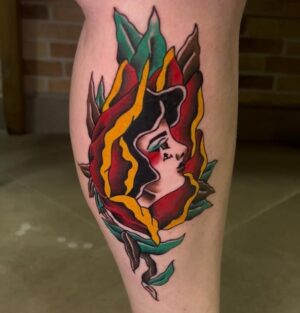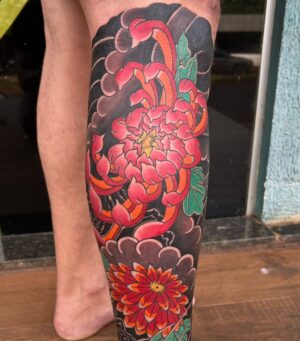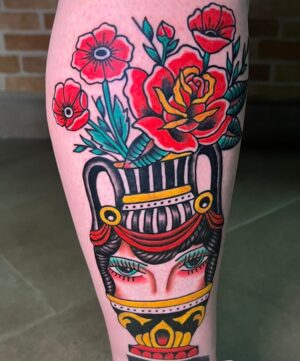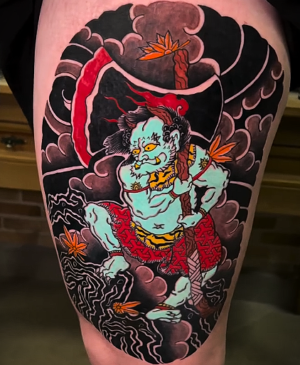




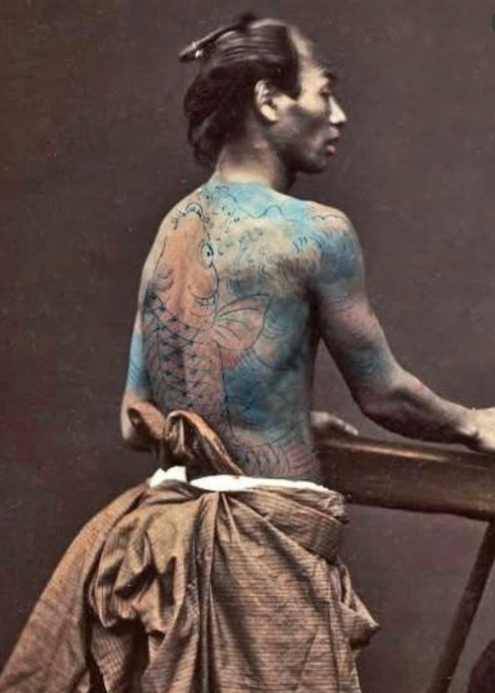
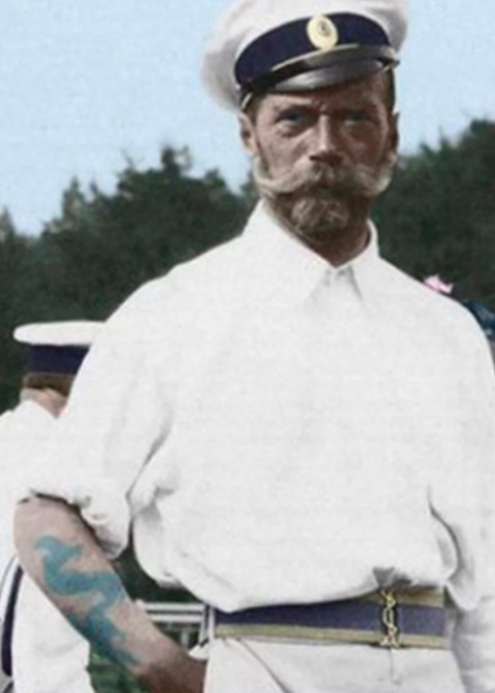
Traditional tattooing is not merely an aesthetic choice, but a historical document that has endured for over a century as a symbol of unshakable values. It carries the soul of ancestral rites and the dust of long journeys, uniting seemingly distant worlds through ink. This lineage of respect is so profound that it has crossed oceans and social classes, bridging the disciplined rigor of Japanese Wabori—etched into samurais—with the audacity of sailors who navigated unknown seas. Such is the strength of this tradition that even royalty surrendered to its historical weight, like Czar Nicholas II of Russia, who wore a traditional dragon on his arm as a testament to his experiences in the East.
The true magic of this art lies in its technical solidity, deliberately designed to win the battle against time. While other trends fade, the traditional style remains alive through its bold, firm linework that defines the image’s structure, and a deep black that provides weight and contrast. The application of saturated primary colors seeks more than just immediate visual impact; it ensures the pigment becomes an integral part of the wearer’s story, aging with dignity and clarity.
To tattoo in the traditional style is, above all, a commitment to what is permanent. It is the understanding that each symbol carries a tale of protection, courage, or belonging that does not bow to fleeting fads. From the solid line to absolute saturation, this is the art that transforms skin into a timeless armor, honoring the pioneers and keeping alive a story that never stops being told. The classic does not die because it is the foundation; it is proof that what is crafted with truth and technique is, by its very nature, eternal.
Highlight works